
Last Updated: June 2026
From hiking and biking to youth sports and backyard play, Bergen County residents spend a lot of time outdoors. That makes tick awareness especially important, particularly during the spring, summer, and fall months when the risk of tick bites is highest.
Lyme Disease in Bergen County: What You Need to Know
If you spend time hiking, walking your dog, gardening, visiting local parks, or watching your children play outdoors, tick awareness should be part of your routine. Ticks can be found in wooded areas, tall grass, leaf litter, and even some residential yards. While Lyme disease remains one of the most well-known tick-borne illnesses in New Jersey, early prevention and prompt tick checks remain the best defense against tick bites and potential infection.
Understanding Lyme Disease: A Local Concern
In a recent report, findings from the New Jersey Department of Health reveal a total of 6,597 cases of Lyme disease in 2025, across in New Jersey. This underscores the local significance of Lyme disease and the importance of staying informed about its risks and prevention strategies.
Lyme disease is a prevalent concern for Bergen County residents who embrace outdoor living, especially during the warm months of spring, summer, and fall. The exposure of children to grassy, wooded areas and the great outdoors inherently increases their vulnerability to tick bites and the associated risk of Lyme disease transmission.
Tick Bites Are Sending More People to Emergency Rooms
Tick activity is not just a concern in New Jersey. In April 2026, the Centers for Disease Control and Prevention (CDC) reported that emergency room visits related to tick bites were running higher than usual across much of the United States. According to the CDC, weekly rates of emergency room visits for tick bites reached their highest levels for this time of year since 2017 in most regions of the country. The agency continues to emphasize prevention, routine tick checks, and prompt tick removal as the best ways to reduce the risk of tick-borne illnesses.
Ticks: A Hidden Danger in the Natural Beauty
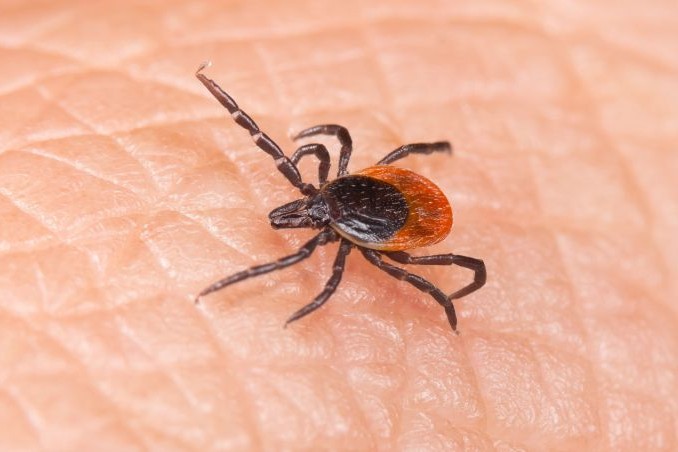
Lyme disease is primarily transmitted through the bites of deer ticks. Yet, it’s important to recognize that other creatures, beyond deer, play host to these ticks. This includes birds and small rodents that could potentially bring these ticks into our living spaces. An intriguing point to note is that placing bird feeders near your home can inadvertently attract animals that carry deer ticks.
Smart Steps for Protection: Minimizing the Risk of Tick Bites

To ensure the safety of your family, especially your little ones who adore outdoor play, adopting preventive measures is crucial. Here are some smart steps to minimize the risk of tick bites and Lyme disease:
-
Choose Your Path: Whenever possible, encourage your family to walk on clear or paved surfaces. This reduces contact with tall grasses and wooded areas where ticks may thrive.
-
Dress Wisely: Outfit your family in long-sleeved shirts and pants made from light-colored fabric. Light colors make it easier to spot ticks, allowing for prompt removal.
-
Embrace Repellents: Utilize insect repellents containing DEET or permethrin on exposed skin and clothing. These repellents are proven to deter ticks from latching onto your family members.
-
Pet Protection: Apply flea collars to your pets and remember to brush them thoroughly after outdoor excursions. This practice reduces the risk of ticks hitching a ride indoors.
Understanding the Signs and Symptoms of Lyme Disease
Awareness is your greatest weapon against Lyme disease. Understanding the early indicators of a tick bite that might lead to Lyme disease can empower you to seek timely medical attention.
Early symptoms of Lyme disease may manifest as flu-like illness and sometimes a target-shaped rash. Without proper treatment, complications affecting the heart, joints, and nervous system can arise.
Not sure what to look for after a tick bite? Visit the CDC’s Lyme disease page for information about signs and symptoms.
Seeking Medical Guidance: When to Reach Out
Being informed about the appropriate steps to take in response to a tick bite is paramount for your family’s health. Here’s when you should consider reaching out to a medical professional:
-
Immediate Attention: If you’re ill or you’re unable to remove the tick, seek immediate medical attention.
-
Within 24 Hours: Reach out to a medical professional within 24 hours if you believe you or a family member needs a medical evaluation.
-
Regular Office Hours: For non-urgent concerns, contact your doctor during weekday office hours.
-
Notable Symptoms: Keep an eye out for symptoms such as a widespread rash or fever occurring 2 to 14 days after a tick bite.
Effective Tick Removal: A Crucial Step

If you find a tick attached to your skin or your child’s skin, timely and proper removal is essential. Follow these steps for effective tick removal:
-
Use tweezers to grasp the tick as close to the skin’s surface as possible.
-
Pull the tick straight upward with steady pressure to ensure complete removal.
-
If tweezers are unavailable, use alternative methods such as a loop of thread or a needle for traction.
-
Clean the wound and your hands with soap and water post-removal and apply antibiotic ointment to the bite.
Frequently Asked Questions
Where are ticks commonly found in Bergen County?
Ticks are commonly found in wooded areas, along hiking trails, in leaf litter, tall grass, and at the edges of lawns that border wooded areas.
Can you get Lyme disease from every tick bite?
No. Not every tick carries Lyme disease, and not every tick bite results in infection. However, it is important to monitor for symptoms and contact a healthcare provider if you have concerns.
When are ticks most active in New Jersey?
Ticks can be active throughout much of the year, but activity typically increases during the spring, summer, and fall months when people spend more time outdoors.
Should I check my child for ticks after playing outside?
Yes. Parents should check children for ticks after spending time in parks, wooded areas, sports fields, camps, and backyards, especially during warmer months.
Can pets bring ticks into the house?
Yes. Dogs and outdoor cats can carry ticks indoors. Regular tick prevention and routine checks can help reduce the risk.
What should I do if I find a tick attached to my skin?
Remove the tick as soon as possible using fine-tipped tweezers. Grasp the tick close to the skin and pull upward with steady pressure. Clean the area afterward and monitor for symptoms.
Health Information Notice: This article is for informational purposes only and should not be considered medical advice. Always consult your physician or other qualified healthcare provider regarding any medical concerns, symptoms, diagnosis, or treatment.
Raising Awareness for a Safer Bergen County

As residents of Bergen County, safeguarding our families against potential health risks like Lyme disease is a shared responsibility. By staying informed, adopting preventive measures, and promptly seeking medical attention when necessary, we can continue to enjoy the great outdoors with a renewed sense of confidence. Together, we can create a community that thrives in the beauty of Bergen County while prioritizing the health and safety of our loved ones.
Remember, awareness is the first step toward protection. Spread the word and join us in promoting a healthier, safer outdoor experience for all of Bergen County’s families. Your journey begins with knowledge, and knowledge empowers us all to enjoy our natural surroundings responsibly.







Share this mybergen.com post!
Explore a Healthier Lifestyle with Bergen County Healthy Living on mybergen.com

Discover a wealth of wellness wisdom right at your fingertips with the Bergen County Healthy Living pages on mybergen.com. Whether you’re on a journey towards better health or simply seeking reliable information on well-being, this dedicated section is your go-to resource for all things health-related.
Unlock a Wealth of Information for Your Well-Being
Looking to elevate your well-being and embrace a healthier lifestyle? Look no further than Bergen County Healthy Living. This comprehensive online hub is thoughtfully designed to cater to the diverse health needs of Bergen County residents. From fitness enthusiasts to families striving for better health, you’ll find articles, tips, and expert advice tailored to your wellness goals.
Stay Informed on Local Health Matters
Stay up-to-date with the latest health news that directly impacts Bergen County residents. Explore articles covering a range of topics, including fitness trends, nutrition insights, mental health guidance, and preventive measures for local health concerns. Our aim is to equip you with knowledge that empowers you to make informed decisions about your health and the well-being of your loved ones.
Expert Advice at Your Fingertips
Bergen County Healthy Living collaborates with local health professionals, practitioners, and experts to bring you valuable insights. Whether you’re seeking advice on managing stress, exploring new fitness routines, or understanding the impact of local health issues, you’ll find trusted guidance from those who understand the unique needs of our community.
Your Journey to Wellness Starts Here
Empower yourself to take charge of your health and lead a vibrant life with the support of Bergen County Healthy Living. From simple tips to transformative advice, this online resource serves as your partner in your quest for wellness. Join us in embracing a healthier, happier lifestyle by exploring the diverse array of health and wellness content at your disposal.
Visit Bergen County Healthy Living on mybergen.com today and embark on a journey towards a brighter, healthier future right here in Bergen County. Your well-being matters, and we’re here to guide you every step of the way.
The Ultimate Guide to Bergen County Area Kids Party Places