

Pollinators are essential to both healthy gardens and the environment. As they move from flower to flower, bees, butterflies, hummingbirds, and other pollinating species transfer pollen, helping plants produce fruits, vegetables, seeds, and flowers. This natural process supports thousands of plant species and plays an important role in food production. Many pollinators face challenges from habitat loss and declining food sources. By creating pollinator-friendly gardens, homeowners can help sustain these important species while at the same time enjoying more vibrant and productive landscapes.
Choose a Variety of Pollinator-Friendly Plants
When selecting plants for a pollinator garden, choose a mix of annuals, perennials, shrubs, and flowering herbs that provide nectar and pollen throughout the growing season. Native species are especially valuable because they have evolved alongside local pollinators and often provide the greatest ecological benefit.
Best Plants for Attracting Pollinators
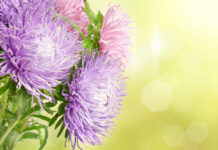
Some excellent pollinator-friendly plants include coneflowers, black-eyed Susans, bee balm, salvia, lavender, catmint, coreopsis, asters, goldenrod, and Joe-Pye weed. Milkweed is essential for monarch butterflies, serving as the only host plant where they lay their eggs and their caterpillars feed. Flowering herbs such as oregano, thyme, chives, and basil are also highly attractive to bees and other beneficial insects.
Plant for Continuous Blooms Throughout the Season
Including a variety of flower shapes, colors, and bloom times helps attract different pollinator species while ensuring nectar and pollen are available from early spring through late fall. Trees and shrubs such as redbud, serviceberry, buttonbush, summersweet, and native hydrangeas can also provide valuable food sources and habitat.
Protect Pollinators by Using Pesticides Carefully
A pollinator-friendly garden should also be a safe place for bees, butterflies, hummingbirds, and other beneficial insects. Many insecticides can unintentionally harm these important species, so chemical treatments should be used only when necessary.
Whenever possible, start with integrated pest management practices such as removing pests by hand, encouraging beneficial insects, or selecting disease-resistant plants before considering the use of chemicals. If treatment is necessary, choose products specifically labeled as safe for pollinators, avoid spraying blooming plants, and apply them in the evening or early morning when pollinators are less active. Always follow label directions to minimize impacts on wildlife and the surrounding environment.
Including features such as shallow water sources with stones is a great idea to provide safe landing spots. “Plant selection and bloom timing are important considerations for supporting pollinators,” said Stuart Leventhal, owner of Down to Earth Living. “Ensuring your garden is pollinator-friendly will also ensure you have a healthier, more robust garden.
Recommended practices include:
- Plant species that bloom at different times of the season.
- Include native or well-adapted plants when possible.
- Plant in clusters rather than as single specimens.
- Include host plants for butterfly species, including milkweed for monarchs.
- Select full-sun locations when possible.
- Provide shallow water sources with stones or similar materials.
- Avoid insecticide use in planting areas.
- Maintain natural areas or organic debris, such as leaves or small brush piles, for habitat.
Once established, pollinator gardens are often lower maintenance than traditional landscapes. Water new plantings regularly until their root systems are well established, then enjoy a colorful garden that supports local wildlife throughout the growing season.
Have you been to Down to Earth Living?
Down to Earth Living encourages customers to bring photos of their landscape, inspiration images, or design ideas when visiting the garden center. The experienced team can provide personalized recommendations for plants, shrubs, containers, statuary, and other garden accents to help homeowners create an outdoor space that fits their style and growing conditions.
In addition to its extensive selection of outdoor plants, trees, and shrubs, Down to Earth Living features an expanded indoor plant showroom that is open throughout the summer. Customers also receive free repotting with the purchase of any plant or pot, making it easy to bring home healthy, beautifully displayed houseplants.
Down to Earth Living, now in its 56th year, is a Garden Center serving Rockland, Bergen, and Orange counties and the Hudson Valley, offering 12.5 acres filled with perennials, flowers, shrubs, and trees, with new plants arriving weekly. The 10,000-square-foot showroom features a selection of contemporary, classic, traditional, and transitional teak, aluminum, and all-weather dining and deep-seated furniture. Down to Earth Living is located a short distance from Bergen County at 1040 Route 45 in Pomona, New York. For more information, call 845-354-8500 or visit www.dteliving.com.
Expert tips to grow beautiful roses. Read more…