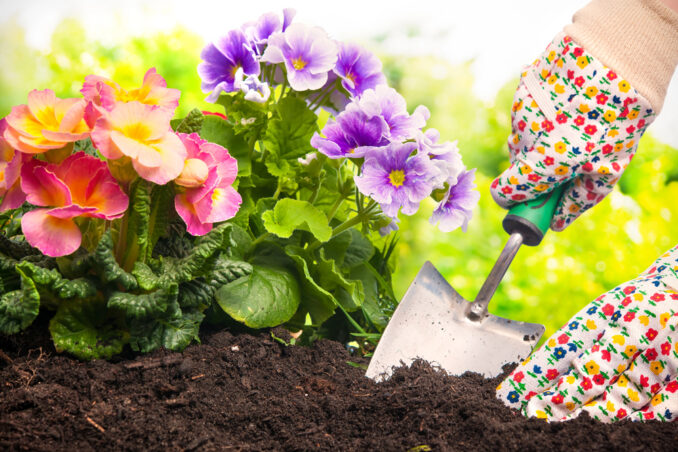
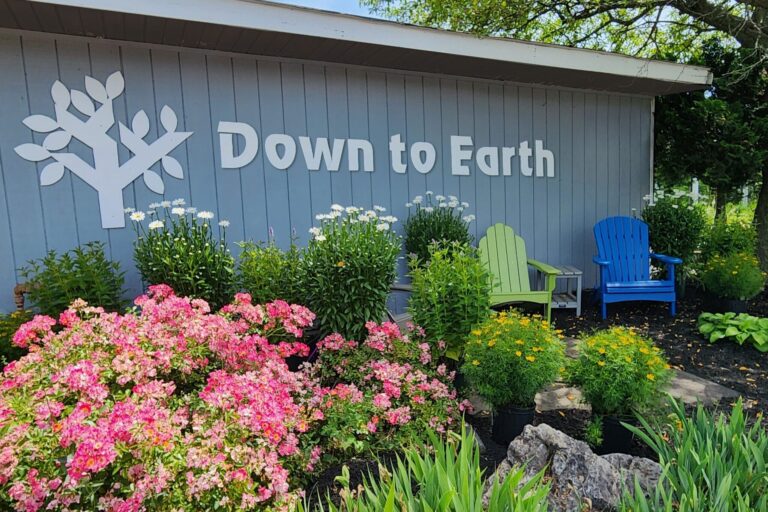
August is a great time to start thinking ahead to next spring’s garden. A little work now can make a noticeable difference when the growing season returns, from improving soil health to helping plants head into winter stronger and healthier. Down to Earth Living shares a few simple steps gardeners can take now to prepare their yards and gardens for a successful spring.
- Clean Up and Clear Out
- Remove dead plants to help cut down on pests and diseases that can spend the winter.
- Take out annuals and vegetables that have finished growing.
- Put nutritious plant matter into your compost heap.
- Soil Preparation
- Test your soil so you know the pH level and nutrient content and can make appropriate adjustments.
- Spread lime in the fall to give plants a head start when they emerge next spring.
- Add compost or well-rotted manure for essential nutrients. The organic matter helps improve soil structure, encourages healthy root growth, and increases the soil’s ability to retain water.
- Mulch Garden Beds
- Mulch helps conserve moisture, reduces erosion, and protects the soil during the winter.
- Use organic mulch, such as shredded leaves, straw, or wood chips, at a thickness of 2 to 3 inches.
- Prune and Divide Overgrown Perennials
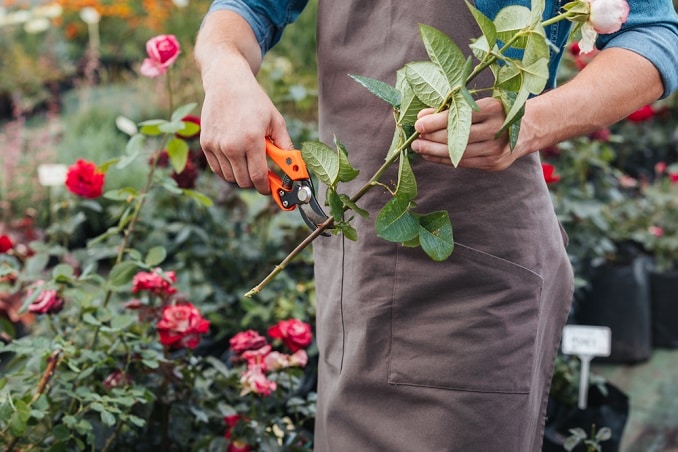
- Remove dead or damaged branches from shrubs, trees, and perennials.
- Avoid heavy pruning, since it can lead to new growth that might not survive the cold weather.
- Divide perennials that are crowded, such as daylilies and hostas.
- Allow the new divisions to establish their roots before the first frost for healthier plants in the following season.
- Evaluate Your Garden
- Look at areas that had no color, no height, or no seasonal interest this year.
- Make a note of the things that went well in your garden and the things that didn’t.
- Plan further additions and redesign planting beds for next spring based on those observations.
- Move to Fall Gardening
- Start your seasonal cleanup as summer ends.
- Plant fall vegetables and flowers to extend your harvest and add seasonal color. Decorative vegetables and other seasonal plants can also be incorporated into outdoor displays for added fall color and interest.
7. Plant Trees and Shrubs
- Fall is an ideal time to plant trees and shrubs. The cool air and warm soil are generally ideal conditions to ensure growth and will give them time to develop and strengthen their root systems and store nutrients for spring growth.
- In the Hudson Valley, Rockland County, and Bergen County, plants suitable for planting in the fall include Callicarpa, Itea ‘Henry’s Garnet,’ panicle and oakleaf hydrangeas, viburnums, holly, red maple, sugar maple, sweetgum, Japanese maple, and dogwood.
- Plan for Next Year
- Decide what you want to plant, where it will go, and what needs to be purchased.
- To get the best results from your garden in terms of health and productivity, practice crop rotation and companion planting.
Gardeners who take a few simple steps in August can improve soil health, strengthen existing plants, and set the stage for a healthier, more productive garden next spring.
Personalized Garden Design Help
Down to Earth Living Garden Center invites customers to bring photos of their gardens, backyards, or outdoor spaces, along with inspiration images that reflect the look they want to create. Garden center experts can offer personalized guidance and help select plants, shrubs, containers, statuary, and other elements to bring those ideas together.
Indoor Plants and Free Repotting
The expanded indoor plant showroom is open for the summer season, with a variety of houseplants available. Down to Earth Living also offers free repotting with the purchase of any plant or pot.
Serving the Region for 56 Years
Now in its 56th year, Down to Earth Living serves customers throughout Rockland, Bergen, and Orange counties and the Hudson Valley. The 12.5-acre garden center features perennials, flowers, shrubs, and trees, with new plants arriving weekly.
Outdoor Furniture and More
The 10,000-square-foot showroom also features outdoor furniture in contemporary, classic, traditional, and transitional styles, including teak, aluminum, and all-weather dining and deep-seating collections.
Down to Earth Living is located at 1040 Route 45 in Pomona, New York. For more information, call 845-354-8500 or visit www.dteliving.com.
The Benefits of Indoor Plants: Enhancing Your Space and Well-Being